
Exploring the Latest Trends in Paintless Dent Repair Technology
Understanding Paintless Dent Repair
Paintless Dent Repair (PDR) has emerged as a revolutionary method for repairing minor dents and dings in vehicles without disturbing the original paint finish. Known for its efficiency and cost-effectiveness, PDR is gaining popularity among car owners and auto professionals alike. This technique involves the use of specialized tools that gently massage the metal back into its original shape.
The primary benefit of PDR is its ability to maintain the car's original paint, which not only preserves the vehicle's value but also helps avoid the need for expensive repainting. As technology evolves, new trends in PDR continue to enhance the process, making it more effective and accessible.
Innovative Tools and Techniques
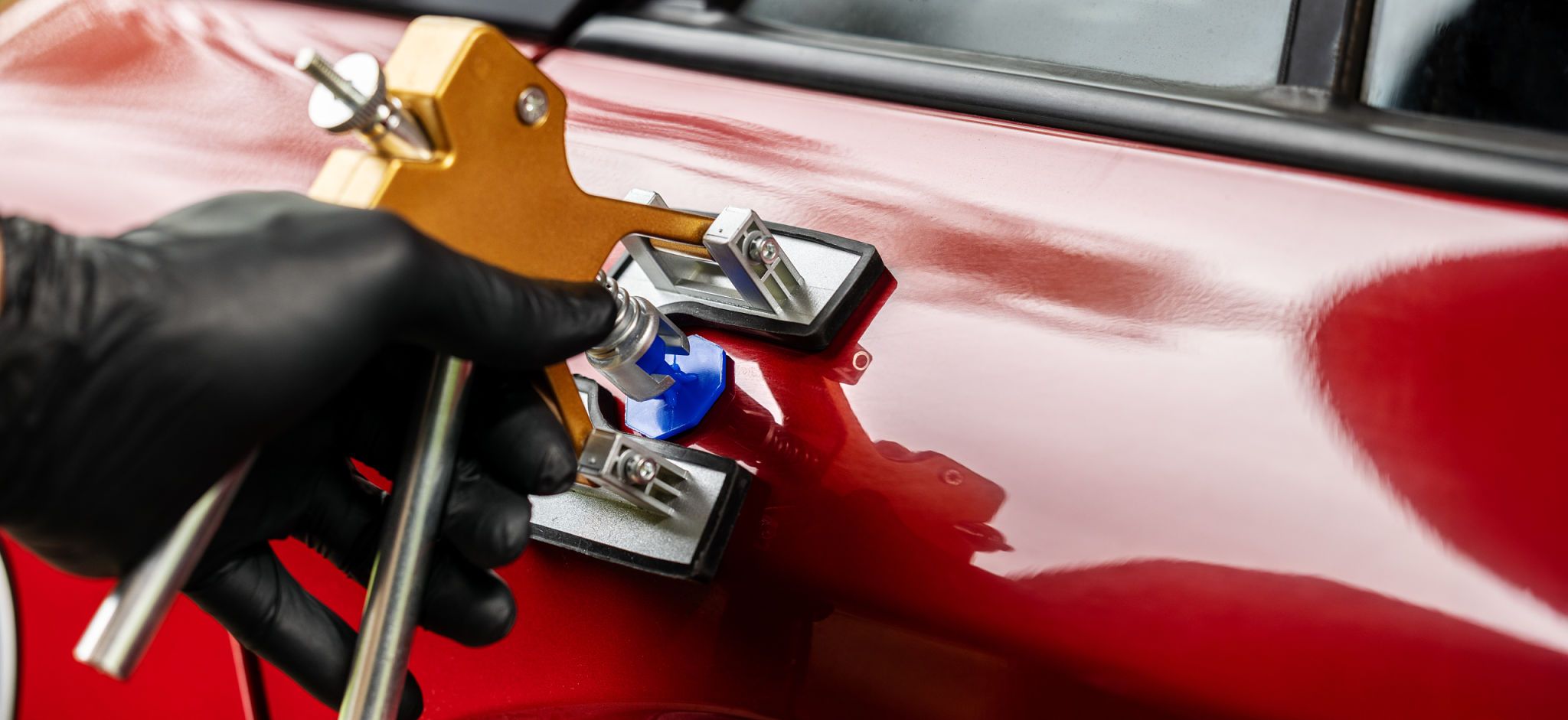
Recent advancements in PDR technology have introduced a variety of innovative tools and techniques. Technicians now have access to a range of specialized rods, lights, and glue pulling systems that allow for more precise and efficient repairs. These tools are designed to handle even the most challenging dents, ensuring a seamless finish.
In addition to traditional tools, digital imaging and mapping technologies are being integrated into the PDR process. This allows technicians to assess the extent of damage more accurately and plan their approach with greater precision.
Training and Skill Development
With the introduction of new tools and technologies, there is an increasing emphasis on the training and skill development of PDR technicians. Comprehensive training programs are now available, focusing on the latest techniques and tools. These programs ensure that technicians are well-equipped to handle a wide range of dent repairs efficiently.
Moreover, online platforms and virtual reality simulations are becoming popular for training, providing technicians with innovative ways to refine their skills without the need for physical vehicles.
Environmental Impact
One of the significant advantages of PDR is its minimal environmental impact. Unlike traditional dent repair methods that often involve painting and the use of chemical fillers, PDR eliminates the need for these materials. This means fewer pollutants and a smaller carbon footprint.
As environmental concerns continue to rise, the demand for eco-friendly repair solutions like PDR is expected to grow. The industry is also exploring sustainable materials and practices to further reduce its environmental impact.

Future Prospects of PDR
The future of Paintless Dent Repair looks promising, with continuous improvements in technology and technique. As the automotive industry moves towards more complex materials and designs, PDR techniques are also evolving to accommodate these changes.
We can expect further integration of artificial intelligence and machine learning in the PDR industry. These technologies could provide real-time feedback and automated solutions, making the dent repair process even more efficient and precise.
Overall, Paintless Dent Repair technology is set to become an integral part of the automotive repair industry, offering a sustainable, cost-effective, and efficient solution for vehicle dent repairs.